Product Description
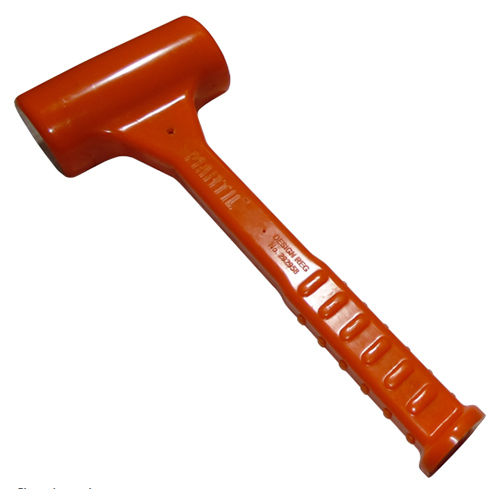
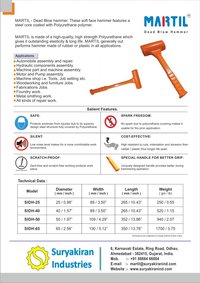
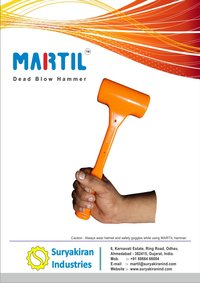
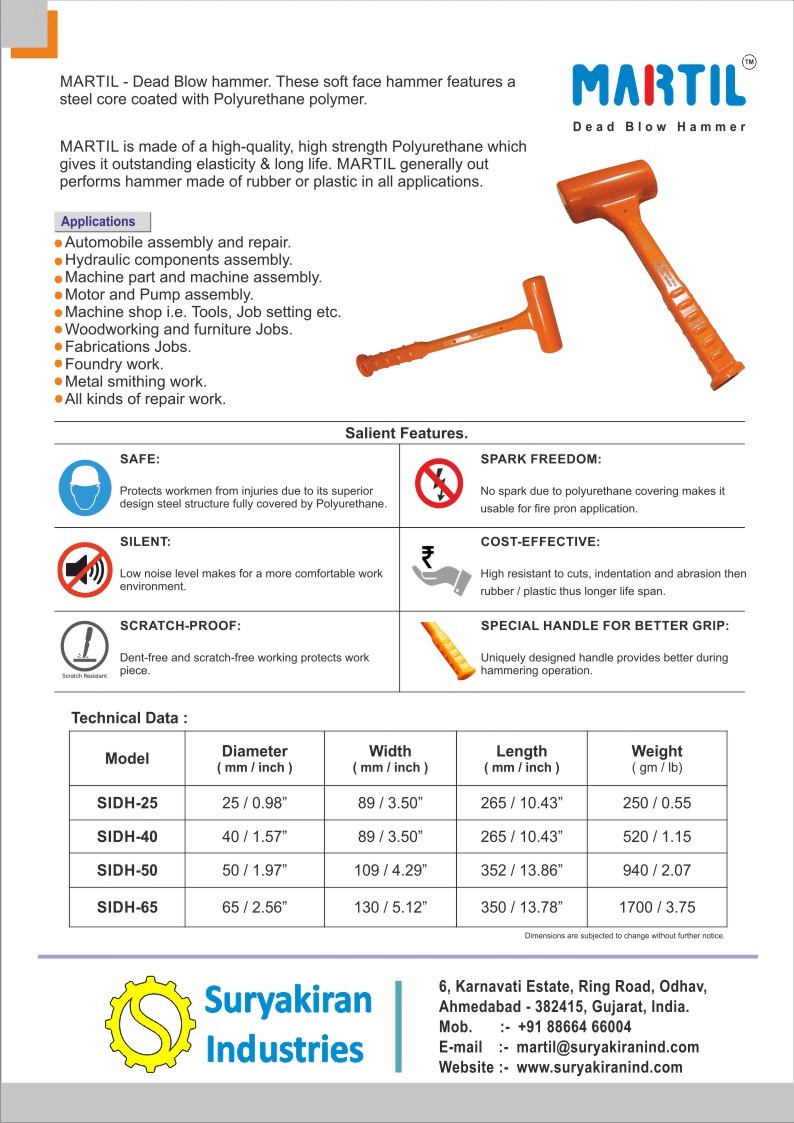
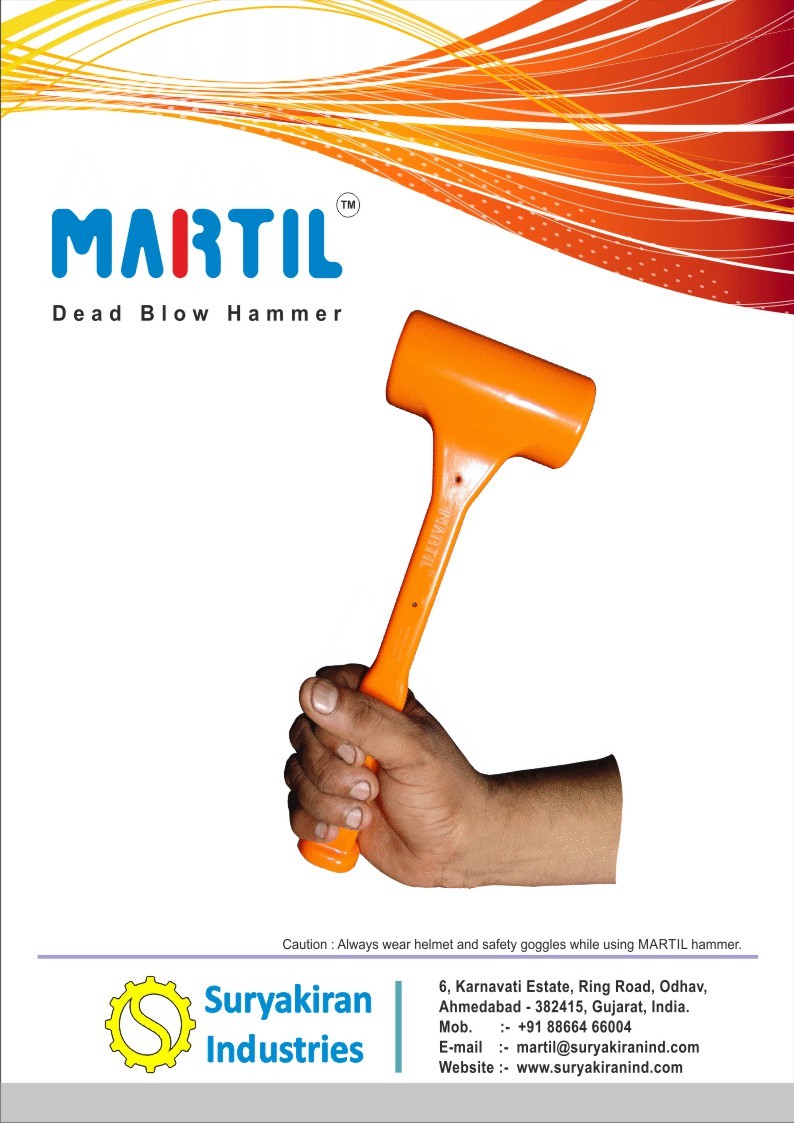
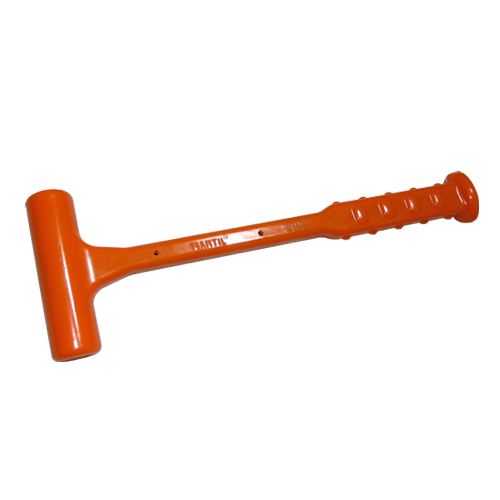
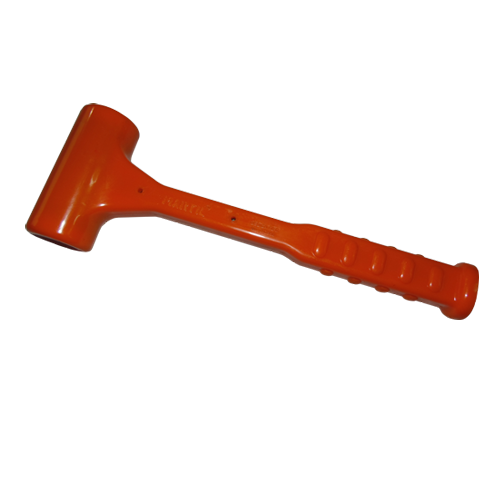
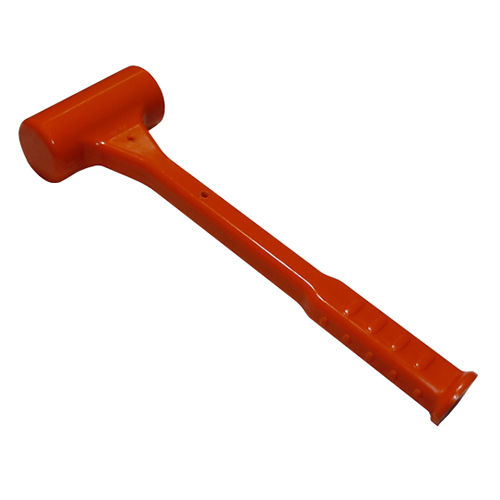
MARTIL Dead Blow Hammer These Soft Face Hammer Features a Steel Core Coated with Polyurethane Polymer.
MARTIL is made of high quality, high strength polyurethane which give its outstanding elasticity and long life.
Engineered for Industrial PerformanceThe SIDH-65 Dead Blow Hammer is purpose-built for demanding tasks in automotive, machinery maintenance, and assembly work. Its steel core and dead blow technology reduce rebound and protect delicate surfaces, making it a reliable tool in any industrial setting.
Superior Comfort and Safety FeaturesEquipped with a non-slip ergonomic handle and shatterproof materials, the MARTIL SIDH-65 ensures secure handling and minimizes fatigue during extended use. The design focuses on user safety and efficiency across a range of manual operations.
FAQs of MARTIL Dead Blow Hammer SIDH-65:
Q: How does the dead blow feature benefit users in industrial applications?
A: The dead blow feature reduces rebound and vibration during use, resulting in more precise strikes and minimized risk of surface damage. This is especially beneficial for automotive repairs and machinery maintenance, where accuracy and control are crucial.
Q: What materials are used in the construction of the SIDH-65 Dead Blow Hammer?
A: The hammers head is made of robust steel completely encased in high-quality rubber, while the handle includes a steel core overlaid with rubber for enhanced strength and comfort. This combination ensures durability and shatterproof performance.
Q: Where can the MARTIL Dead Blow Hammer SIDH-65 be used?
A: It is ideal for automotive work, industrial machinery maintenance, and assembly tasks. Its non-marring, textured face is especially suited to applications requiring careful handling of surfaces without causing marks or dents.
Q: What is the process for maintaining the SIDH-65 hammer?
A: Maintenance is straightforward: keep the hammer clean by wiping it with a damp cloth after use, and regularly inspect the rubber encasing for any signs of wear or damage to ensure longevity and continued safe operation.
Q: When is it recommended to use a dead blow hammer like the SIDH-65 instead of a traditional hammer?
A: A dead blow hammer is preferred when working on surfaces susceptible to marring or when precision and reduced vibration are necessary, such as assembling machinery, positioning parts, or performing delicate automotive work.
Q: What are the key usage recommendations for optimal performance?
A: Always grip the ergonomic handle firmly and strike with controlled force suitable for the task. For best results, use the hammer on tasks that benefit from reduced bounce-back and require maintenance of surface integrity.






 Send Inquiry
 Send Inquiry
 Send SMS


 English
 Spanish
 French
 German
 Italian
 Chinese (Simplified)
 Japanese
 Korean
 Arabic
 Portuguese